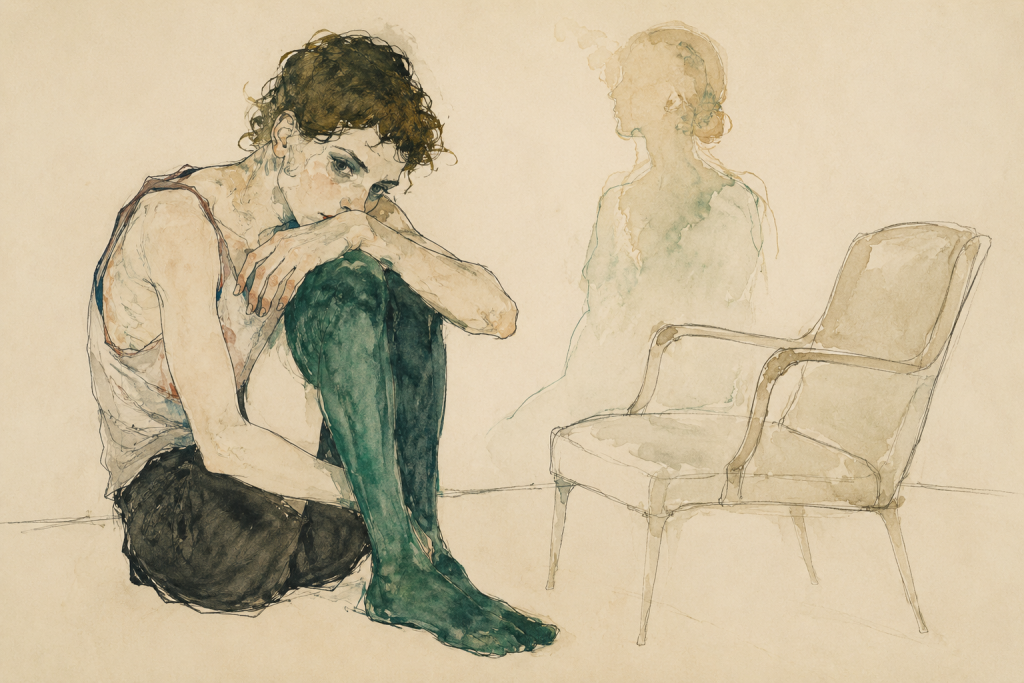
Depression is not laziness, weakness, or simply a bad mood. It is a condition that can affect emotions, thoughts, the body, relationships, and everyday life. This article explains the main signs of depression, possible causes, and what you can do if you recognize yourself in these symptoms.
Depression is not laziness, weakness, or simply a “bad mood.” It is a condition that can affect emotions, thoughts, the body, relationships, and everyday life. In this article, I will explain which signs may indicate depression, why it can develop, and what you can do if you recognize yourself in these symptoms.
Depression can feel as if life is gradually losing its color. Things that used to bring pleasure stop feeling enjoyable. It becomes harder to get out of bed in the morning, communicate, work, or make decisions. Sometimes even simple daily tasks require an unusual amount of effort.
One of the hardest parts is that people around you may not always understand what is happening. You may hear things like, “Pull yourself together,” “Distract yourself,” or “Everything is fine.” But with depression, willpower alone is often not enough.
What Is Depression?
Depression is a condition that can affect mood, thinking, sleep, appetite, energy levels, and the ability to cope with everyday tasks. (World Health Organization)
It does not always begin suddenly.
Sometimes it starts with persistent fatigue. Then there may be less desire to communicate, do familiar activities, or make plans for the future. A person may notice that it is becoming harder to feel pleasure and that rest no longer restores their energy.
If symptoms like these are present for most of the day, nearly every day, for two weeks or longer and begin to noticeably affect daily life, it is a reason to seek a professional assessment. A diagnosis should not be made based on the duration of symptoms alone. (National Institute of Mental Health)
How Depression Can Manifest
Depression can look different in different people. You do not need to have every symptom listed below.
Physical Signs
Possible symptoms include:
- persistent fatigue and low energy
- difficulty falling asleep, frequent waking, or excessive sleepiness
- changes in appetite and weight
- feeling slowed down or internally restless
- various physical complaints that may require separate medical evaluation
Thoughts and Feelings
A person may notice:
- low mood
- loss of interest or pleasure
- difficulty concentrating and making decisions
- feelings of guilt or worthlessness
- feelings of helplessness or hopelessness
- thoughts about death or wishing to “disappear”
These symptoms can occur in depressive disorders, but their presence alone does not automatically mean that a person has depression. (World Health Organization)
Behavior
Activity levels may decrease.
A person may increasingly postpone tasks, avoid communication, stop doing things that used to matter, or spend more time in bed or at home.
A cycle can develop: the less activity and contact with life there is, the fewer positive experiences a person has, and the heavier the condition may become.
Why Does Depression Develop?
Depression usually does not have one single cause.
Psychological, social, and biological factors can all contribute. These may include prolonged stress, difficult life events, chronic illness, patterns of thinking, social isolation, genetic vulnerability, and other circumstances. (World Health Organization)
That is why I would not reduce depression only to “negative thoughts” or only to biology.
More often, several factors interact and gradually begin to reinforce one another.
What Can You Do on Your Own?
If you recognize yourself in this description, the first important step is not to blame yourself for being weak.
At the same time, self-help does not replace professional support, especially when symptoms are severe or persist for a long time.
You can begin with a few simple steps.
1. Acknowledge Your Condition
Instead of saying:
“I just need to pull myself together,”
you can say:
“I am really struggling right now, and I need to understand what is happening to me.”
That already changes the way you relate to the problem.
2. Observe Your Condition
You can keep a simple diary of:
- mood
- sleep
- energy level
- activity
- thoughts
- events after which you feel better or worse
This can help you notice patterns that are difficult to see when you are feeling overwhelmed.
3. Gradually Bring Back Small Activities
You do not need to set yourself the goal of “returning to normal life in one day.”
Sometimes a small action is enough:
- go for a short walk
- take a shower
- prepare a meal
- call someone close to you
- complete one small task
With depression, even actions like these can be meaningful.
4. Do Not Stay Alone With It
If the condition continues or becomes worse, it is worth seeking professional help.
Depression is treatable. Depending on the severity, treatment may include psychotherapy, medication, or a combination of both. (World Health Organization)
How Can a Psychologist Help With Depression?
When working with depression, I do not try to force a person to “think positively” or start enjoying life as quickly as possible.
First, it is important to understand what is maintaining the condition.
Together, we may explore:
- which thoughts appear regularly
- which situations make the low mood worse
- which activities the person has gradually stopped doing
- how sleep, activity, and communication have changed
- which beliefs about oneself and the future strengthen feelings of hopelessness
In cognitive behavioral therapy, particular attention is given to the connection between thoughts, emotions, and behavior.
For example, a person may think:
“Nothing will work out anyway.”
As a result, they become even less active.
The less active they are, the fewer opportunities they have for positive experiences.
This, in turn, strengthens the original thought.
One of the goals of therapy is to gradually break this cycle.
Psychological treatment is one of the effective approaches for depression. For moderate and severe depression, psychotherapy may be combined with medication. (World Health Organization)
When Should You Seek Help?
You do not need to wait until the condition becomes very severe.
It is especially important to seek professional help if:
- symptoms continue for around two weeks or longer
- it becomes difficult to work, study, or manage everyday tasks
- sleep, appetite, or energy levels have changed significantly
- almost nothing brings pleasure anymore
- feelings of hopelessness are becoming stronger
- thoughts of death or self-harm appear
If You Have Thoughts About Death
This requires particular attention.
If you have thoughts of suicide, self-harm, or feel that you may hurt yourself, it is important not to simply wait for your next appointment with a psychologist.
In this situation, urgent help is needed: contact emergency medical services, go to the nearest emergency department, or reach out to a mental health professional immediately. Depression is associated with an increased risk of suicide, so these thoughts should always be taken seriously. (World Health Organization)
Important to Remember
Depression is not a life sentence.
But it is a condition that deserves attention and professional assessment.
You do not need to wait until you have completely lost your strength. The earlier a person begins to understand what is happening and receives appropriate support, the more opportunities there are to gradually restore activity, interest in life, and a sense of control.
I do not promise that change will be quick or easy. But depression can be treated, and a person does not have to cope with it alone.
Author: Yulia Nikolaenko
Psychologist working within a cognitive behavioral approach. Helps clients better understand their thoughts, feelings, and habitual reactions, develop more effective ways of coping with life difficulties, and build more conscious relationships with themselves and others.
Specialist’s page: Yulia Nikolaenko